Essential Guide to Installing a Durable Metal ..
Aug 09 - 2026
09
Aug
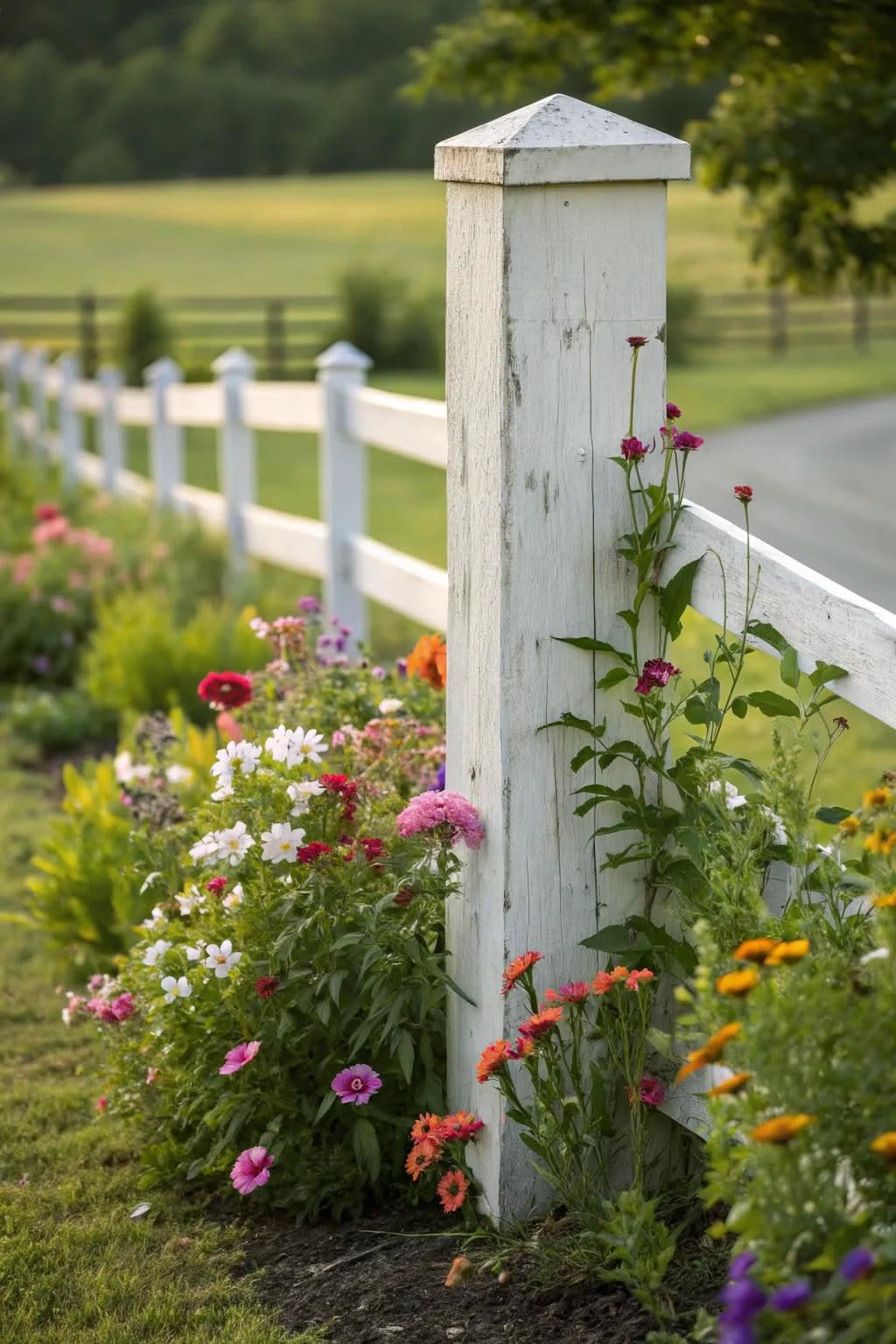
This guide is for homeowners looking to enhance their property's curb appeal with a wooden fence. A well-constructed fence not only provides privacy but also adds aesthetic value to your home. The image serves as inspiration for creating a charming outdoor space with floral accents and a classic fence design.
When planning a wooden fence installation, consider your budget and timeline, as costs can vary based on materials and labor. It's essential to hire experienced tradespeople to ensure quality workmanship and compliance with local regulations. Before starting, check property lines and obtain any necessary permits to avoid disputes. Common mistakes include neglecting to treat wood for weather resistance and failing to plan for maintenance access.
For a wooden fence, begin by selecting the right type of wood, such as cedar or redwood, known for their durability and resistance to decay. Ensure proper post spacing, typically 6-8 feet apart, and use concrete footings to anchor the posts securely. Consider the design of the fence, whether it's a picket style or solid panel, and ensure that the panels are properly attached to the posts. Don't forget to include a gate for access, reinforcing the gate posts for stability.
Common materials for wooden fences include cedar, redwood, and pressure-treated pine. Cedar is naturally resistant to rot and insects, making it a popular choice, while redwood offers a rich color and longevity but can be more expensive. Pressure-treated pine is budget-friendly but requires regular maintenance to prevent decay. Each material has its pros and cons regarding cost, durability, and maintenance needs, so choose based on your specific requirements.
When planning your wooden fence, consider the layout and how it will complement your landscaping. Ensure that the design allows for adequate sunlight and access to your garden areas. Think about the height of the fence for privacy and security, and consult local regulations regarding maximum allowable heights. Additionally, plan the sequence of installation to minimize disruption to your yard and surrounding areas.
Regular maintenance is crucial for the longevity of your wooden fence. This includes periodic cleaning, staining, or sealing to protect against moisture and UV damage. Inspect the fence annually for signs of rot or insect damage and replace any compromised boards promptly. Keeping vegetation trimmed away from the fence will also help prevent moisture buildup and promote airflow.
Installing a wooden fence may require permits, depending on local regulations, particularly concerning height and placement near property lines. It's advisable to verify with your local building department to ensure compliance with any zoning laws. Safety practices during installation include wearing protective gear and ensuring that all tools are used according to manufacturer guidelines.
Hiring a licensed contractor can ensure that your wooden fence is built to last and complies with local codes. Look for professionals who have experience with fence installation and can provide references. Quality checkpoints include verifying the quality of materials used, ensuring proper post installation, and confirming that the design meets your aesthetic and functional needs.
Space: Wooden Fence · Style: Traditional · Materials shown: cedar, redwood, pressure-treated pine · Palette: white, green, pink, orange, purple
A well-planned approach helps you avoid costly surprises and get results that match how you actually use your home.
Homeowners planning a similar project may also want to explore Exterior & Curb Appeal Guides and Exterior & Curb Appeal Services.
Additional resources on our site include Essential Guide to Installing a Durable Metal Fence and Enhancing Curb Appeal with Stylish Driveway Gates.
Written by Top Tier Renovation LLC. Reviewed by TTR Builders Editorial Team.
Aug 09 - 2026
Aug 09 - 2026
Aug 09 - 2026
Aug 09 - 2026