Designing a Modern Floating Staircase: A Home ..
Aug 09 - 2026
09
Aug
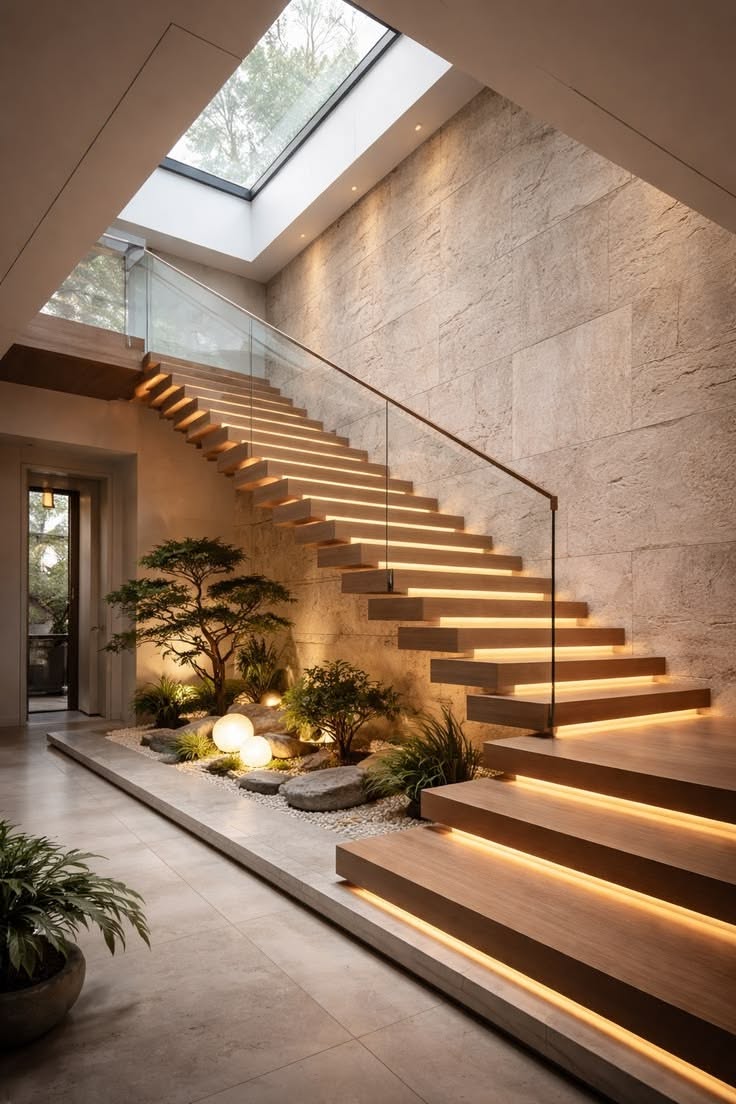
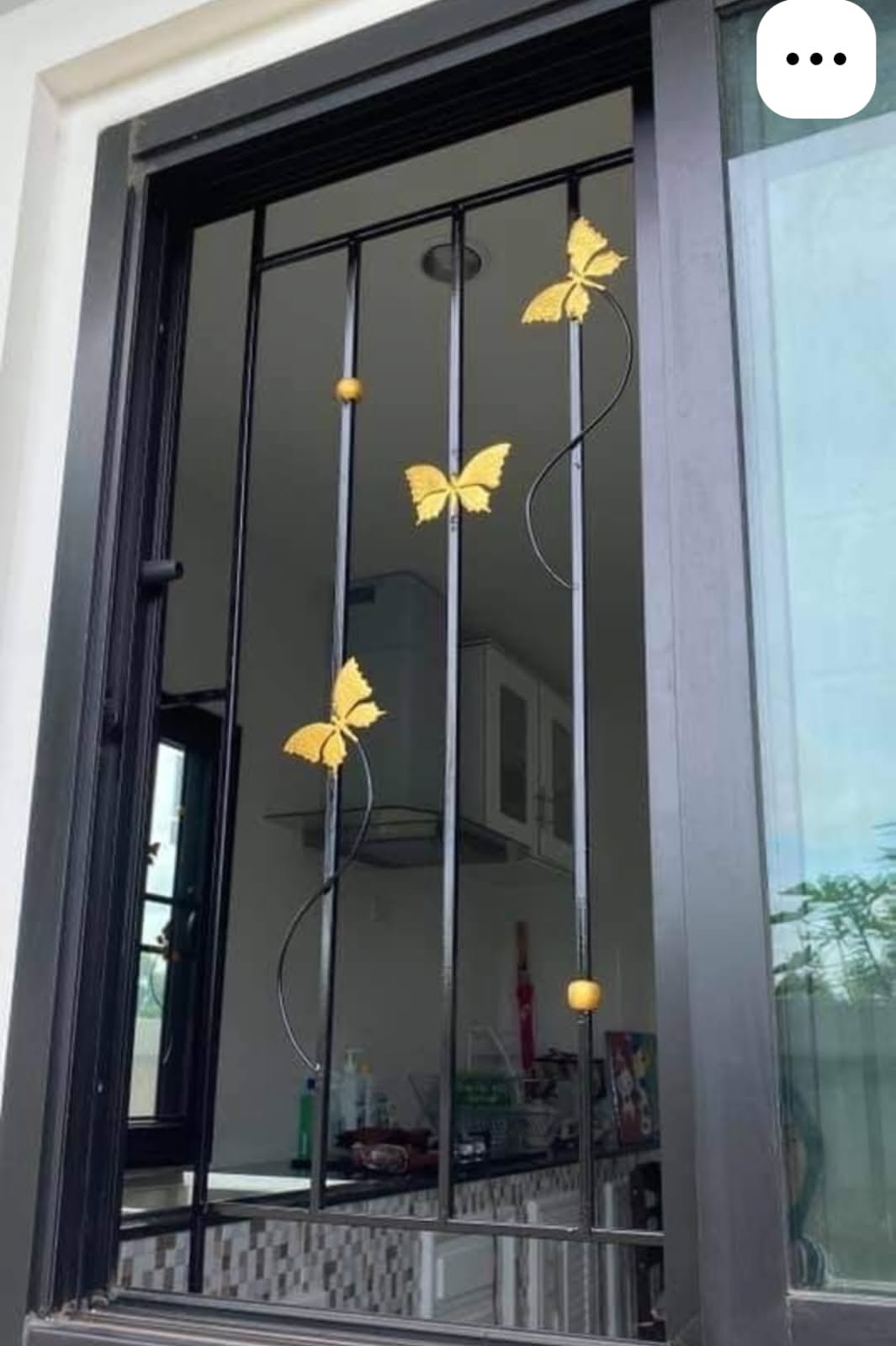
This guide is for homeowners considering a modern floating staircase to enhance their home's aesthetic and functionality. Floating staircases can serve as a stunning focal point, as inspired by the image provided.
Budgeting for a floating staircase often requires a mindset shift, as these designs can be more expensive than traditional options. Plan for a timeline that accommodates custom fabrication and installation, which may take several weeks. Hiring experienced tradespeople is crucial, as improper installation can lead to safety issues. Before work begins, ensure your space is cleared and accessible, and consider common mistakes like underestimating the need for structural support or overlooking local building codes.
The typical build sequence for a floating staircase starts with structural framing, ensuring adequate support for the treads. Substrate preparation involves reinforcing the wall or floor where the staircase will be anchored. Waterproofing may be necessary if the staircase is near a moisture-prone area. Installation best practices include ensuring precise measurements and level alignment, as well as using high-quality materials to enhance durability.
Common materials for floating staircases include hardwood, metal, and glass. Hardwood offers warmth and elegance but requires regular maintenance to prevent wear. Metal provides a modern look and is highly durable, though it can be cold and less inviting. Glass treads create an airy feel but may require more frequent cleaning and careful handling to avoid scratches.
When planning a floating staircase, consider the layout to ensure it complements the existing space and allows for adequate foot traffic. Functionality is key; ensure the design meets your daily needs while providing aesthetic appeal. Lighting should be factored in to highlight the staircase, especially if it’s a central feature. Be aware of HOA regulations that may dictate design elements and ensure the staircase's construction aligns with other trades involved in your remodel.
Regular cleaning is essential for maintaining the appearance of your floating staircase, particularly for glass and metal materials. Sealing hardwood treads can extend their lifespan and protect against moisture damage. Seasonal upkeep may include checking for loose fittings or signs of wear. Expect a well-maintained floating staircase to last for decades.
General residential safety practices include ensuring that all staircases have proper railings and meet height and width standards. Installing a floating staircase often requires a building permit, so check with your local building department to confirm specific requirements. Inspections may also be necessary to ensure compliance with safety codes.
Hiring a licensed contractor is advisable for the installation of a floating staircase, as they can navigate the complexities of design and local codes. Recommended inspections should focus on structural integrity and safety features. Homeowners should request documentation of materials used and warranties for workmanship to ensure quality.
A floating staircase can dramatically enhance your home's design while providing functional benefits. By carefully planning and working with professionals, you can create a stunning feature that adds value and style to your space.
Explore related services: Remodeling Services · Home Remodeling.
Aug 09 - 2026
Aug 09 - 2026
Aug 09 - 2026
Aug 09 - 2026