
Transforming Your Driveway with Paver Install ..
Aug 09 - 2026
09
Aug
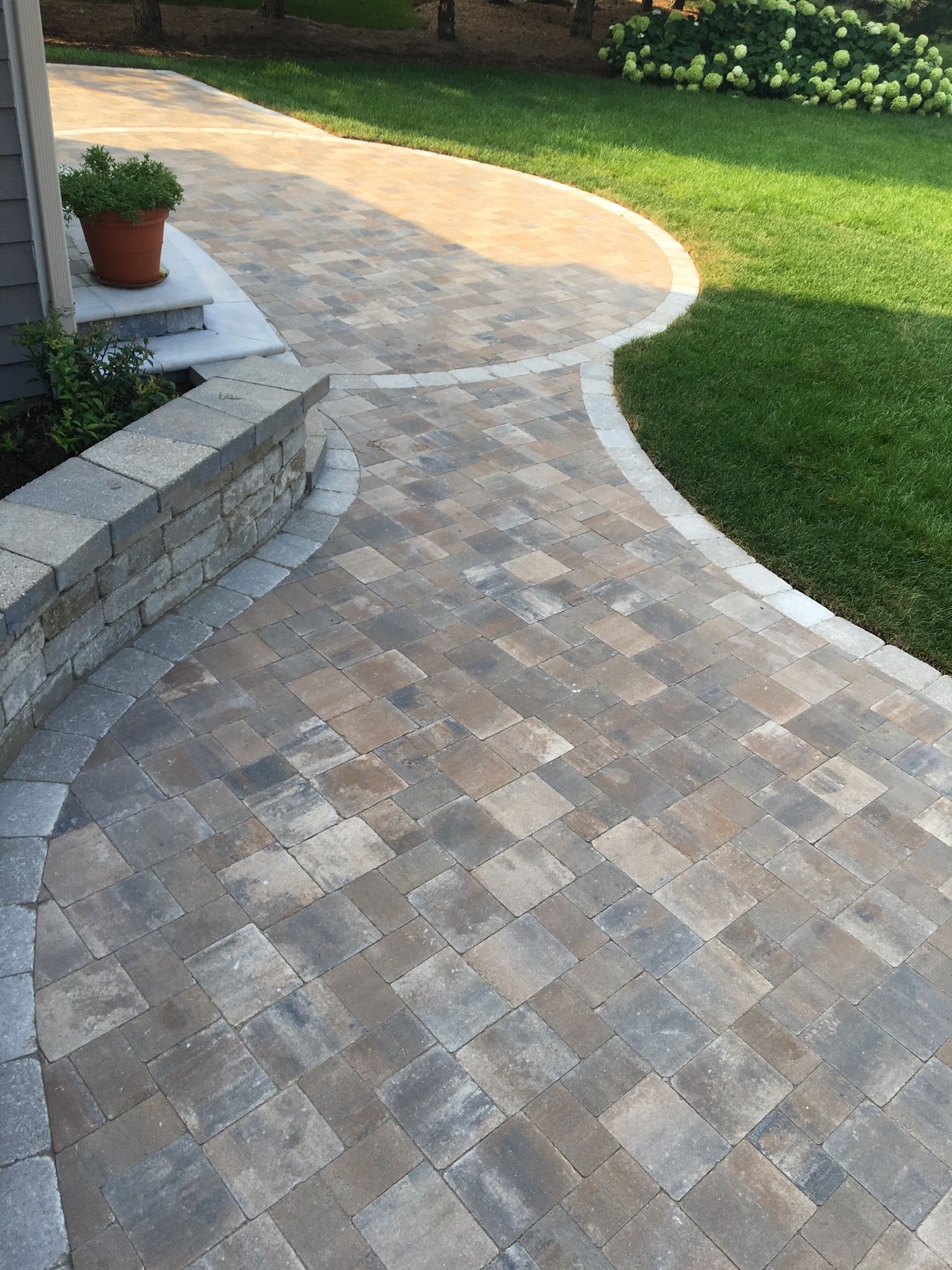
This guide is for homeowners looking to enhance their outdoor areas with a paver patio. A well-designed patio can create a beautiful and functional space for relaxation and entertainment, as inspired by the featured image.
When budgeting for a paver patio, consider costs for materials, labor, and potential site preparation. Timing is crucial; plan for weather conditions and contractor availability. Hiring skilled tradespeople is essential for proper installation and drainage. Before work begins, clear the area and mark the layout to avoid common mistakes like improper grading or inadequate drainage. Ensure you have a clear vision of the design to prevent costly changes mid-project.
For a paver patio, begin with proper base preparation, ensuring a compacted gravel or sand layer for stability. Install edge restraints to maintain the shape and prevent shifting. Pay attention to drainage pitch to direct water away from the house and avoid pooling. Use joint sand to fill gaps between pavers, and compact the surface to ensure a solid finish. Coordination with landscaping elements, like adjacent flower beds or pathways, is also crucial for a cohesive look.
Common materials for paver patios include concrete pavers, natural stone, and brick. Concrete pavers are durable and come in various colors, but may require sealing to prevent staining. Natural stone offers a unique aesthetic but can be more expensive and requires more maintenance. Brick pavers provide a classic look and are generally easy to install, but they may be less durable in high-traffic areas compared to concrete. Consider your climate and usage when selecting materials.
When planning your paver patio, consider the layout to optimize space for furniture and foot traffic. Functionality is key; think about how you will use the area—whether for dining, lounging, or entertaining. Ensure adequate lighting for evening use and plan for access points from the house and yard. Sequencing the installation with other outdoor projects, like landscaping or fencing, can streamline the process.
Regular maintenance for a paver patio includes sweeping debris and rinsing with water to prevent staining. Inspect joints for erosion and refill with joint sand as needed. If weeds appear, consider using a weed barrier or applying a safe herbicide. Periodic sealing can enhance durability and appearance, especially for concrete pavers.
Installing a paver patio may require permits, particularly if it alters drainage patterns or involves significant grading. Always check with your local building department for specific regulations. Safety practices include ensuring proper site preparation to avoid accidents and using appropriate equipment during installation.
Hiring a licensed contractor is advisable for a paver patio to ensure proper installation and adherence to local codes. Quality checkpoints include verifying the base preparation, checking for proper drainage, and ensuring paver alignment. A professional can also help with design choices and material selection tailored to your needs.
A well-planned paver patio can enhance your outdoor living experience significantly. By understanding the construction process, material options, and maintenance needs, you can create a beautiful space for years to come. Take the time to plan and consult with professionals to achieve the best results.
Homeowners planning a similar project may also want to explore Patios & Hardscape Guides and Outdoor Living Project Ideas.
Additional resources on our site include Patios & Hardscape and Creating a Stunning Outdoor Patio with Pool Features.
Aug 09 - 2026
Aug 09 - 2026
Aug 09 - 2026
Aug 09 - 2026