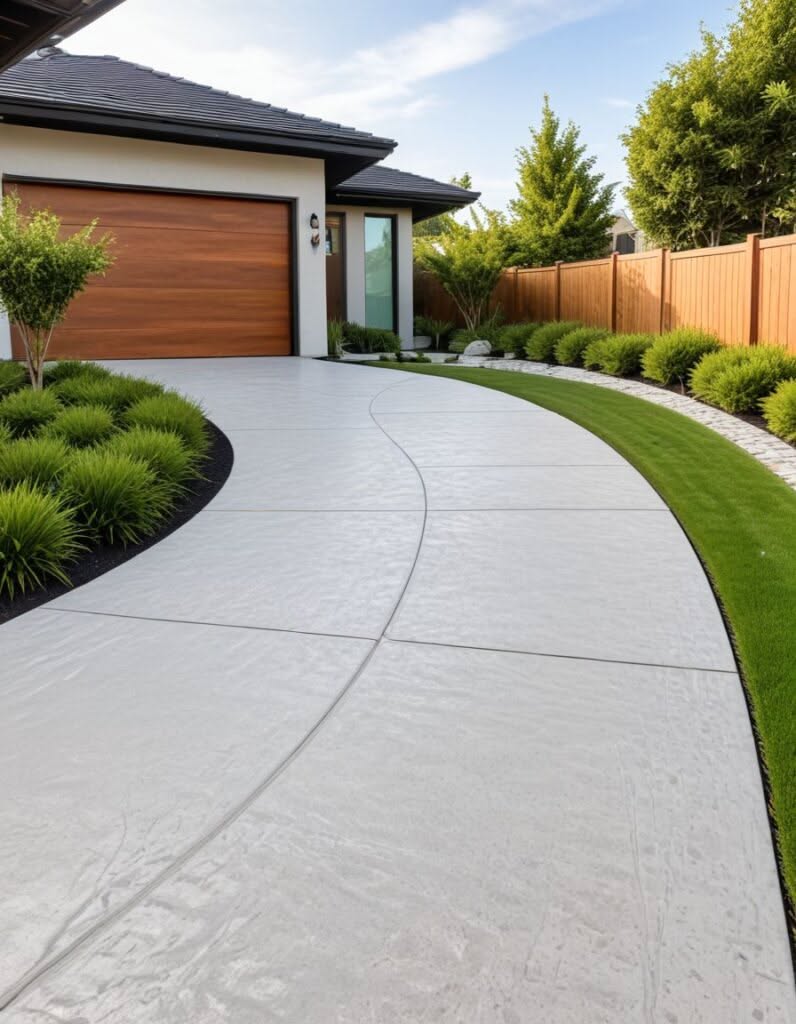
Enhancing Curb Appeal with Decorative Concret ..
Aug 09 - 2026

09
Aug
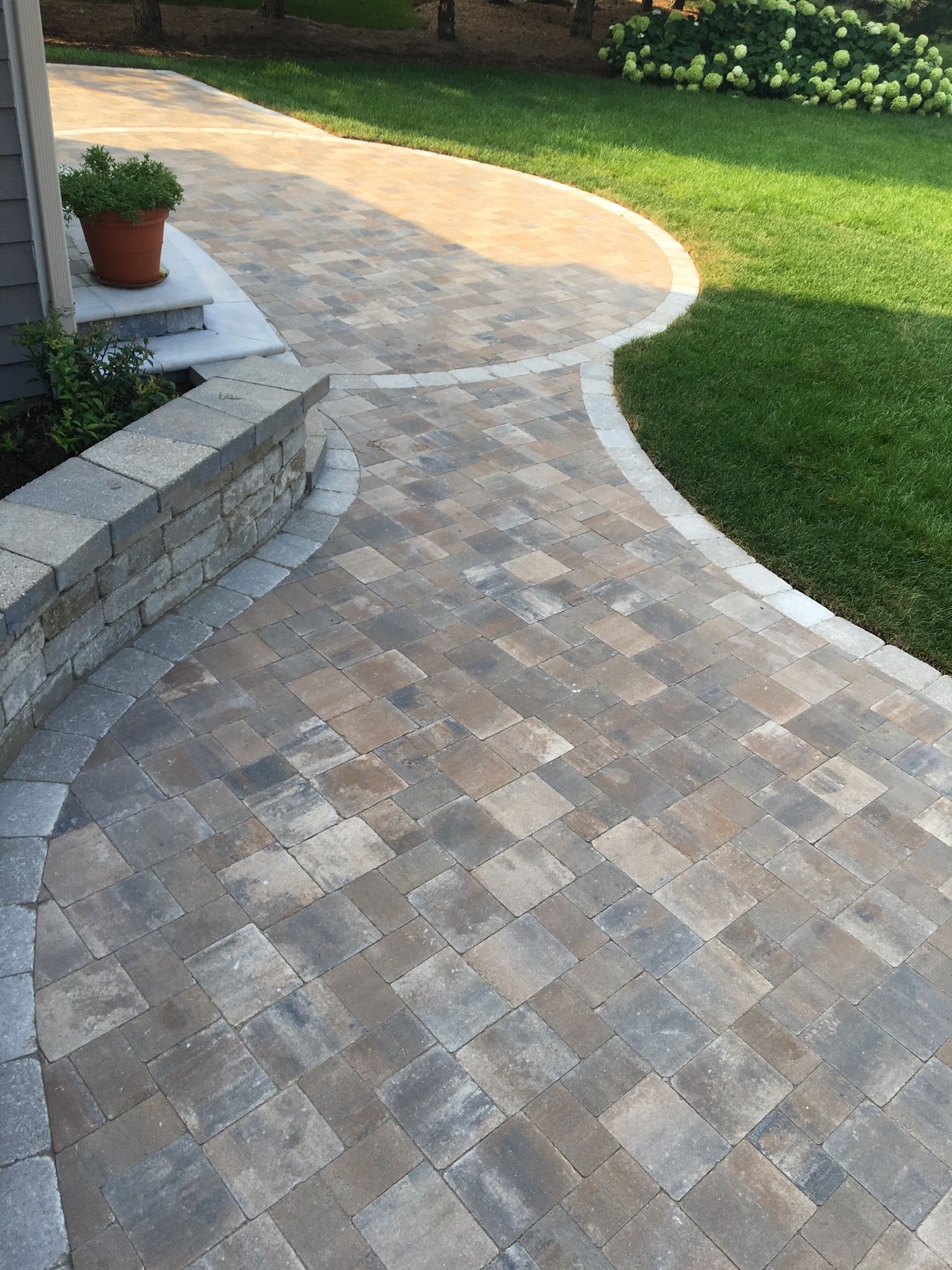
This guide is for homeowners looking to enhance their driveway with paver installation. The goal is to create a durable and aesthetically pleasing entrance to your home, inspired by beautiful paver designs.
Budgeting for a paver driveway involves considering material costs, labor, and potential site preparation. Timing can vary based on weather conditions and contractor availability, so plan ahead. Hiring experienced tradespeople is crucial for proper installation and long-term durability. Before work begins, ensure the area is clear and accessible, and consider any necessary permits. Common mistakes include inadequate base preparation and poor drainage planning.
For a paver driveway, start with proper base preparation, which typically includes excavating the existing surface and laying a compacted gravel base. Ensure that the surface is graded to allow for proper drainage. Install edge restraints to keep the pavers in place, and use a sand layer between the pavers for stability. Compaction is essential to avoid settling over time, so use a plate compactor to secure the pavers after installation.
Common materials for paver driveways include concrete, brick, and natural stone. Concrete pavers are versatile and cost-effective, while brick offers a classic aesthetic but may require more maintenance. Natural stone provides a unique look but can be more expensive and harder to install. Consider the climate and your maintenance preferences when choosing materials, as some options may be more resistant to cracking or fading.
When planning your paver driveway, consider the layout and how it integrates with your landscaping. Ensure there is adequate lighting for safety and aesthetics, and plan for vehicle access and turning radius. Sequencing the installation with other outdoor projects, such as landscaping or fencing, can help streamline the process and minimize disruption.
Regular maintenance for a paver driveway includes cleaning debris and weeds from joints, resealing if necessary, and addressing any settling or shifting of pavers. Inspect for cracks or damage periodically, especially after heavy rains or freeze-thaw cycles, and address issues promptly to extend the lifespan of the driveway.
Installing a paver driveway may require permits, especially if it alters drainage patterns or affects existing structures. Always check with your local building department to ensure compliance with local codes. Safety practices include using proper equipment during installation and ensuring that the work area is clearly marked to prevent accidents.
Hiring a licensed contractor is advisable for paver driveway installation to ensure proper execution and adherence to local codes. Quality checkpoints include verifying the base preparation, checking for proper drainage, and ensuring that pavers are installed level and compacted correctly. Don't hesitate to ask for references or examples of previous work.
A well-planned paver driveway can significantly enhance your home's curb appeal and functionality. By considering materials, planning carefully, and maintaining the installation, you can enjoy a beautiful and durable entrance for years to come.
Homeowners planning a similar project may also want to explore Patios & Hardscape and Creating a Cozy Outdoor Retreat: Backyard Cabin Design Guide.
Additional resources on our site include Enhancing Curb Appeal with Stylish Driveway Gates and Stylish Wooden Gazebo with Comfortable Seating Area.
Aug 09 - 2026
Aug 09 - 2026
Aug 09 - 2026
Aug 09 - 2026